The Kintamani Coffee Revival, a Blended Financing Scheme Solution:
verified
Bringing the Geographical Indication (GI) Kintamani Coffee as Solution to Low-Carbon & Climate Resilience Coffee Production
Over 9.5 billion kg of coffee is produced around the world each year, with a total trade value of USD$ 30.9billion. Coffee has great potential to improve the quality of life of farmers in Indonesia as one of the main coffee producers in the world. In the business sector, demand for Indonesian coffee is suitable for the needs of both the local and the world market means potential to increase living income to farmers.
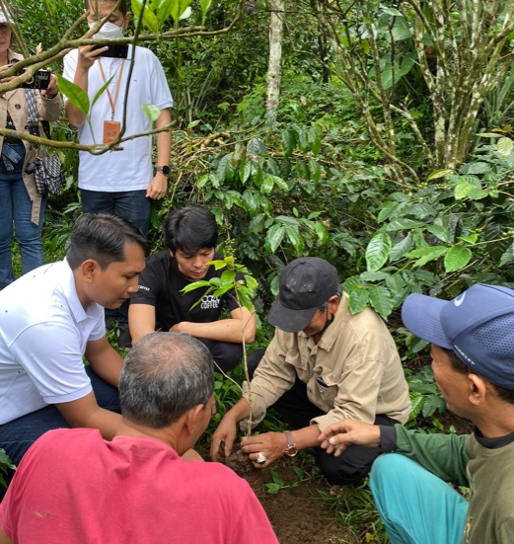
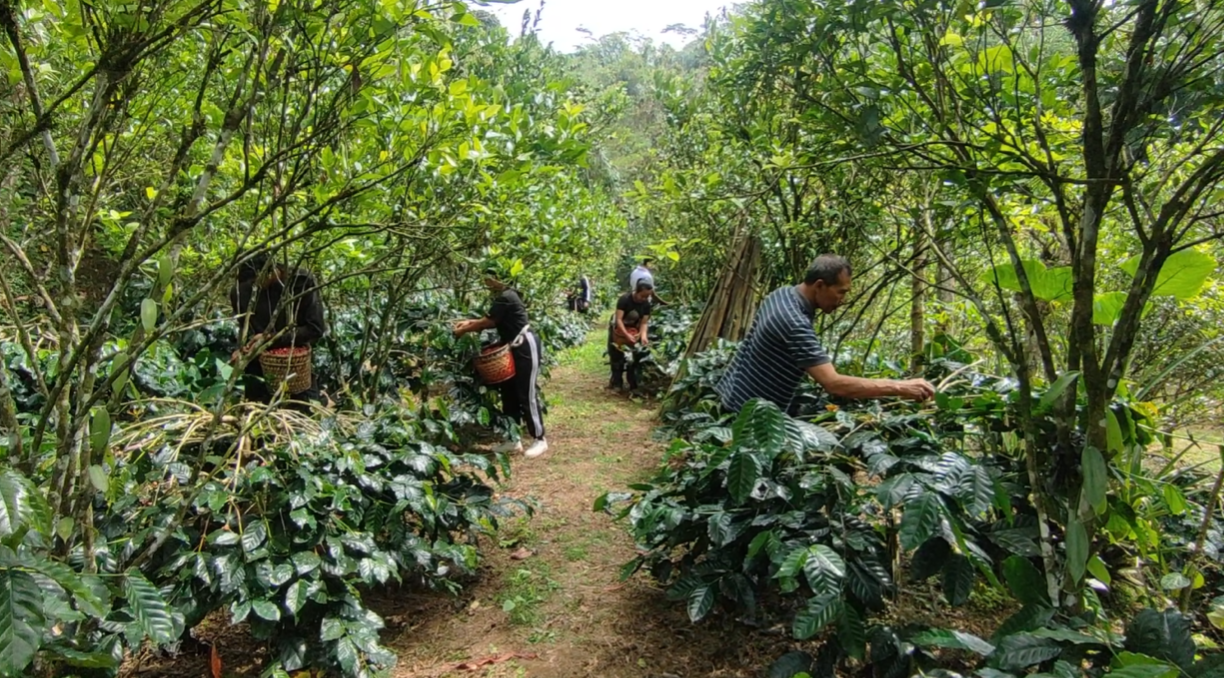
The Year of 2024 is the coffee ethics for Coop Coffee. Its trading entity, The Company on its CSR commitment has been working with its Foundation entity: www.coopcoffee.org on a blended finance scheme under the Tropical Landscape Grant Funding Program with a country donor ofCanada Government through UNEP to ensure its coffee ethics goal. We are working on a massive coffee replanting program scattered within the 23,485 ha area of Kintamani coffee protection to anticipate the increasing demand for the world’s coffee supply especial for Kintamani Bali coffee under the agroforestry system with shading trees and intercropping trees. This project reduces GHC emissions at either end of the spectrum through improved agroforestry and land management by building the nature-based solution on carbon capture storage – fueling a pathway to low emissions development through carbon sequestration and carbon low emission coffee production.
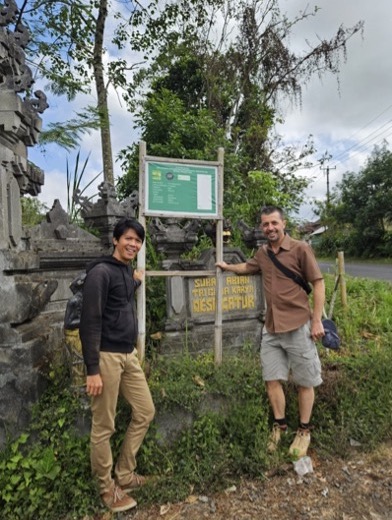
The Program named as The Kintamani Coffee Revival: Bringing the Geographical Indication (GI) Kintamani Coffee as Solution to Low-Carbon & Climate Resilience Coffee Production using The Quadruple-Tech Solution based has 2 objectives, 4 main outputs, 13main activities, and 21 deliverables is taking places at the Catur-Piloting Village in Kintamani district until end of 2025. Coop Coffee is partnering with treecoin using its carbon proprietary AI applied to satellite imagery on the 10piloting coffee farmers’ land to measure the carbon sequestered since 2017 and trade their carbon credits to Australian buyer as additional income to the household to help them closing the income living gap.
The goal of this project is to achieve the GreenEconomy Index (GEI) Indonesian coffee production and reduce GHC emissions by an estimated of 24.7 MT CO2e within five-year project period through establishing self-sustaining business-as-usual coffee trading within the GI protection area.It is expected that a reduction of up to 151 MT CO2e over the next 20 years through replication of similar efforts to all GI coffee area across Indonesia will be achieved. This will create effective low-emission land management strategies that can be applied to the variety of contexts across Indonesia.
1469.95 XCC
carbon tokens available for sale
$10.44USD
price per token
13.75
total land (ha)
1998
operating since
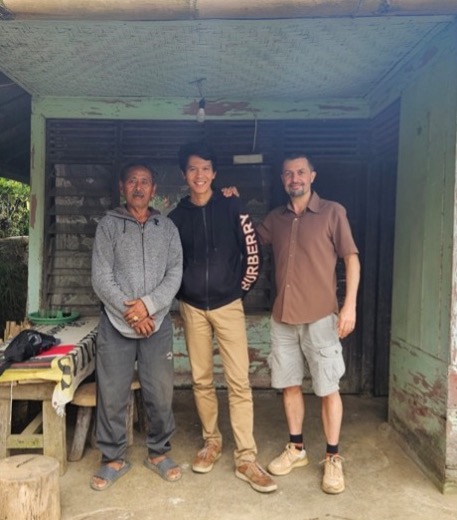
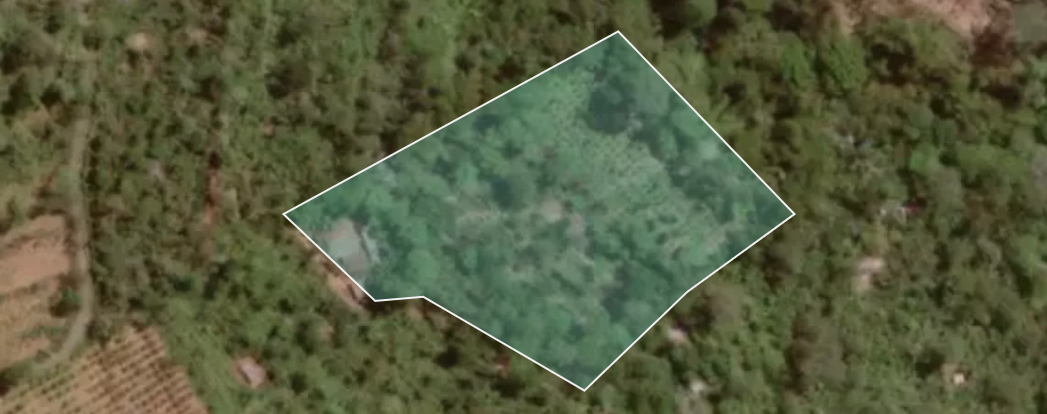
Coffee Farm#1: Leader Head of Abian Subak Tri Guna Karya, I KetutPulih
Catur, Kec. Kintamani, Kabupaten Bangli, Bali, Indonesia
$10.44/XCC
<I Ketut Pulih><Kopi Arabika Kintamani><Catur Bali><XCC><IDN>
132.6
XCC earned
0.96
land size (ha)
2
owners
176.8
t/CO2e draw down
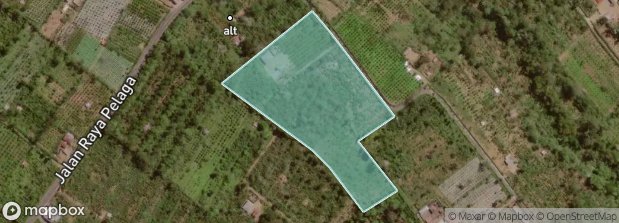
Coffee Farm#2:
Catur, Kec. Kintamani, Kabupaten Bangli, Bali, Indonesia
$10.44/XCC
<I Made Rantia><Kopi Arabika Kintamani><Catur Bali><XCC><IDN>
217.09
XCC earned
1.5
land size (ha)
2
owners
289.45
t/CO2e draw down
About the project
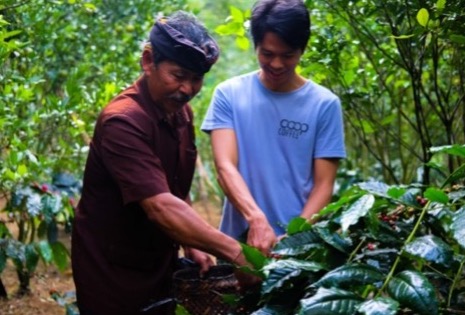
To achieve the complete goal of the Kintamani Revival Program we started the project by picking a piloting village of Catur in Kintamani area as the pioneer of the Theory of Change. Catur village with 600 ha of 8 (eight) coffee farmers group of 581 coffee growers is one of the participants of the initiation of the GI Certification in Indonesia.Legendary farmers group (in Balinese called Abian Subak), the Tri Guna Karya of 80 ha with 77 farmers is pointed as the voluntary model on the replanting program and carbon sequestration project along with the PlanVivo Certification under the TLGF program. Among the 77 farmers in the group, we picked up the-10-best coffee growers whom enthusiastic with the environmental concern goal of SDGs which in Balinese Hindu philosophy’s term is recognized as Tri Hita Karana : the three ways to happiness in harmony:the harmony with the creator, among others and the environment. We are successful in implementing the carbon program through a digitalization journey with TreeCoin and now is scaling up to all coffee growers in the village also to achieve 500,000 coffee trees new replanting program.